
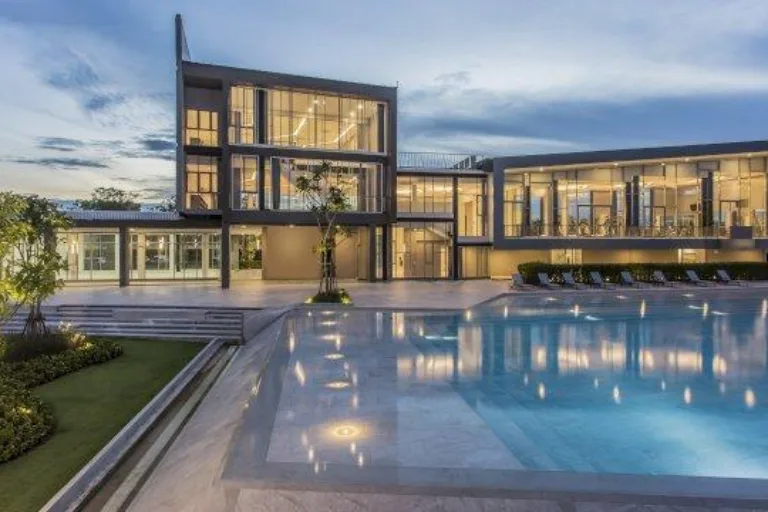
Do More Amenities Mean More Value?
Luxury real estate has evolved far beyond spacious homes and premium locations. Modern developments now promote extensive amenity packages that include clubhouses, swimming pools, wellness centers, sports facilities, business lounges, rooftop gardens, concierge services, co-working spaces, and much more.
While these features certainly enhance the living experience, an important question remains:
Do more amenities automatically create more value?
The answer is not always.
Amenities contribute to a property’s appeal, but they are only one part of the overall value. The true worth of a luxury property depends on how well its location, construction quality, design, maintenance, and long-term investment potential work together.
Successful buyers evaluate amenities as part of the complete picture—not as the only reason to invest.
Amenities Improve Lifestyle
One of the biggest advantages of luxury communities is the lifestyle they offer.
Well-designed amenities can improve convenience, comfort, and everyday living.
Examples include:
- Clubhouses
- Fitness centers
- Swimming pools
- Landscaped gardens
- Children’s play areas
- Walking tracks
- Business lounges
- Concierge services
When these facilities match the buyer’s lifestyle, they become meaningful additions rather than marketing features.
More Isn’t Always Better
Many luxury projects advertise a long list of amenities to attract attention.
However, the number of facilities does not always determine the property’s overall value.
Instead, buyers should ask:
- Are these amenities well maintained?
- Will they actually be used?
- Do they improve daily living?
- Do they justify the property’s price?
A smaller number of high-quality amenities often provides greater value than a long list of underutilized facilities.
Location Still Comes First
Even the most impressive clubhouse cannot compensate for a poor location.
When evaluating a luxury property, buyers should first consider:
- Connectivity
- Business districts
- Schools
- Healthcare
- Retail destinations
- Future infrastructure
- Neighborhood quality
A premium location remains one of the strongest contributors to long-term appreciation.
Quality Matters More Than Quantity
Luxury buyers should focus on the quality of amenities rather than simply counting them.
Evaluate:
- Construction standards
- Design quality
- Maintenance
- Accessibility
- Safety
- Operational management
Well-maintained facilities continue adding value long after possession.
Consider the Cost of Ownership
Every shared facility involves ongoing maintenance.
Before purchasing, buyers should understand:
- Maintenance charges
- Clubhouse fees
- Operational costs
- Society expenses
- Long-term upkeep
An extensive amenity package may increase recurring ownership costs.
Understanding these expenses helps buyers evaluate the property’s true long-term value.
Think About Future Resale
Amenities can also influence future buyer demand.
Projects offering practical, well-maintained facilities often remain attractive in the resale market.
However, long-term value still depends on factors such as:
- Location
- Construction quality
- Developer reputation
- Community management
- Market demand
Amenities support resale potential but rarely determine it alone.
Compare the Complete Value
Instead of comparing projects only by amenities, buyers should evaluate:
- Location
- Floor plan efficiency
- Construction quality
- Legal documentation
- Investment potential
- Developer credibility
- Community infrastructure
- Overall ownership costs
This broader evaluation leads to better investment decisions.
Match Amenities to Your Lifestyle
Not every buyer values the same facilities.
Some may prioritize:
- Wellness centers
- Children’s play areas
- Business lounges
- Private gardens
- Sports facilities
Others may rarely use these spaces.
The right luxury property is one where the amenities genuinely complement your lifestyle rather than simply increasing the brochure count.
Work with a Luxury Real Estate Advisor
Luxury property comparisons involve much more than reviewing marketing materials.
An experienced luxury real estate advisor helps buyers:
- Compare projects objectively
- Evaluate real market value
- Understand maintenance implications
- Assess long-term investment potential
- Shortlist properties based on lifestyle needs
- Make informed buying decisions
Professional guidance ensures buyers focus on lasting value instead of temporary marketing appeal.
Common Mistakes Buyers Should Avoid
Many buyers unintentionally overvalue amenities.
Avoid these common mistakes:
- Choosing a property based only on facilities.
- Ignoring location quality.
- Overlooking maintenance costs.
- Assuming more amenities always increase resale value.
- Comparing projects only through brochures.
- Skipping professional advice.
A balanced evaluation reduces risk and improves long-term satisfaction